Introduction
Entering the nursing area can be both exciting and overwhelming. As new nurses step into their functions, they will certainly encounter numerous difficulties, among which is wound care management. Recognizing the principles and techniques of basic injury care training is essential for supplying high-grade person care. In this extensive overview, we will delve deep into wound treatment training for nurses, highlighting the key elements that every new registered nurse must wound care training for nurses know.
Basic Wound Care Training: Tips for New Nurses Getting In the Field
Wound care is an important part of nursing method. Whether it entails treating surgical sites, pressure ulcers, or terrible injuries, efficient wound management can considerably affect person healing and quality of life. Here are some foundational pointers that every new registered nurse should know as they embark on their journey in injury care.
Understanding Wound Types and Classifications
Acute vs. Chronic Wounds
- Acute wounds: These are commonly the outcome of injury or surgical procedure and adhere to a foreseeable healing process. Chronic wounds: These stop working to recover within an anticipated timeframe because of aspects such as bad circulation or infection.
Wound Classifications
Surgical Wounds- Result from medical procedures. Should heal cleanly if handled appropriately.
- Caused by injuries such as cuts or abrasions. Often require prompt focus to avoid infection.
- Develop because of extended stress on the skin. Require persistent prevention strategies.
- Common in individuals with diabetics issues because of lowered blood flow and sensation. Require cautious tracking and specialized treatment protocols.
The Value of Injury Care Professional Training
A solid foundation in wound care is essential for any nursing expert. Enrolling in specialized programs such as wound treatment professional training can improve a registered nurse's expertise and abilities:
- Learn about various dressing options. Understand infection control measures. Gain understandings into complex wound care management techniques.
Key Elements of Fundamental Wound Care Training
Assessment Skills- Inspecting the injury: Dimension, depth, exudate amount, odor, and bordering skin condition.
- Use saline services or suitable cleansers to decrease bacteria without damaging tissue.
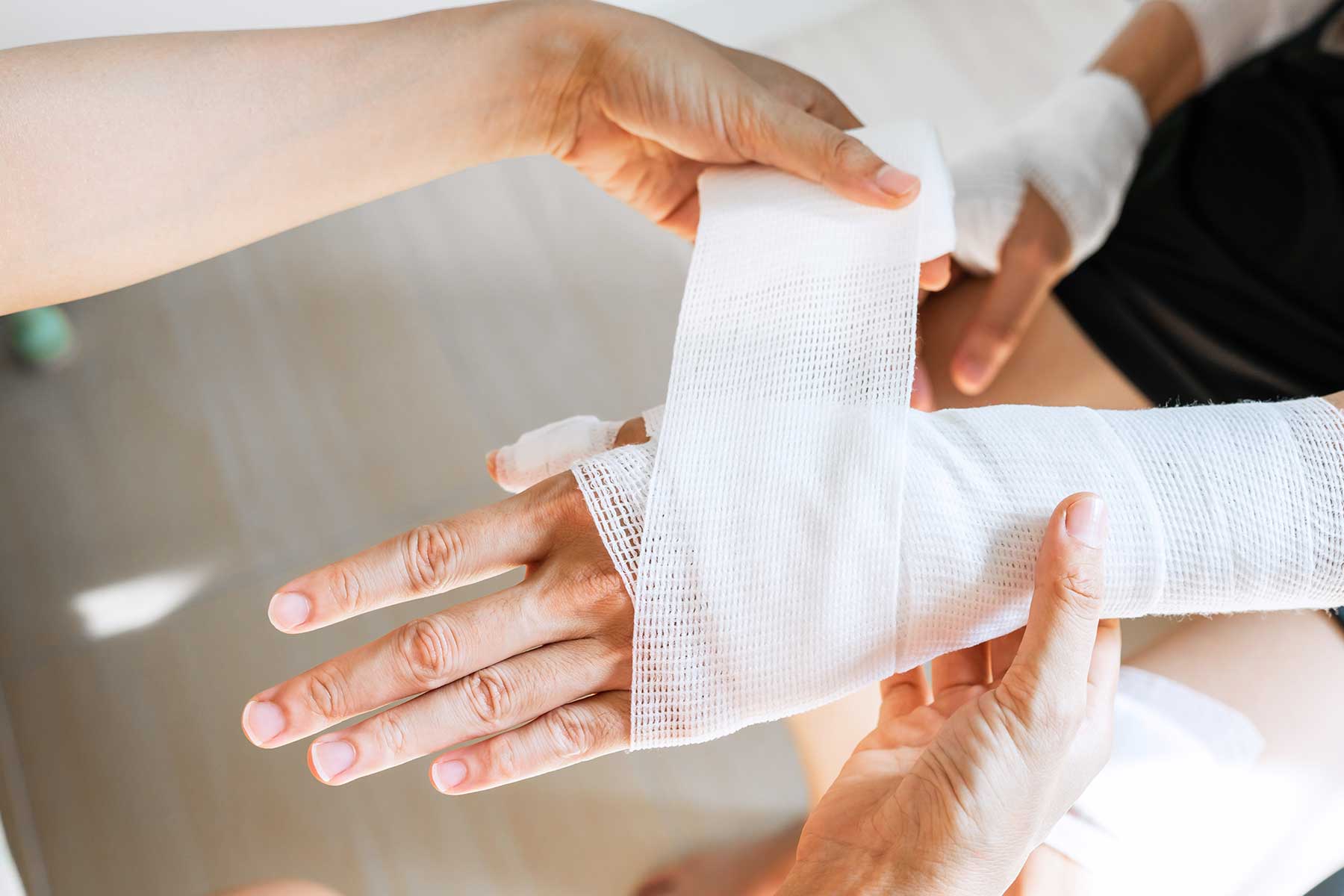
- Choosing dressings based on injury kind: Hydrocolloid, foam, alginate, etc.
- Importance of hand hygiene. Recognizing indicators of infection early to initiate timely interventions.
- Teaching patients concerning home treatment methods can encourage them in their healing journey.
Wound Treatment Training Courses Available
There are numerous programs available focusing on various elements of injury care:
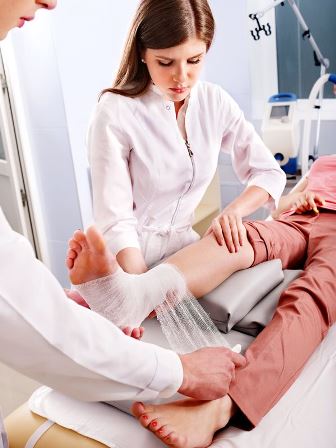
- Online modules for adaptable understanding at your own pace. Hands-on workshops that supply real-world experience with dressing modifications and analysis techniques.
Consider neighborhood area universities or medical care institutions offering accredited programs in wound care training courses customized especially for nurses.
Best Practices in Standard Wound Care Management
1. Record Everything
Accurate documents is crucial not just for legal purposes however also for tracking healing development over time.
2. Connect Effectively
Communicate with patients regarding their therapy plan and motivate them to share any issues they may have about their wounds.
3. Keep Updated
Continuously enlighten on your own on best techniques via seminars, on the internet sources, and literature pertaining to nursing wound treatment training
Complex Wound Care Management Techniques
As registered nurses gain experience, they'll likely encounter extra complicated cases needing innovative skills:
1. Comprehending Biofilms
Biofilms can develop around chronic wounds making it tough for them to recover properly; knowing exactly how to handle these is critical for innovative practitioners.
2. Advanced Dressings
Familiarity with biologic dressings and adverse pressure therapies can make a significant difference in managing complicated injuries effectively.
3. Working together with Specialists
Being able to acknowledge when a referral to an injury treatment professional is required makes sure that patients receive comprehensive treatment options.

FAQs About Basic Injury Care Training
What is basic wound care training?
Basic wound care training includes the basic principles and techniques needed to examine and handle different types of injuries effectively.
Why is wound care training important for nurses?
Wound treatment training furnishes registered nurses with necessary skills required to promote healing while reducing problems like infections or chronicity in individuals' wounds.
How long does it take to finish a wound care training course?
Most wound treatment training courses differ from a few days as much as numerous weeks depending upon the program's depth and intricacy associated with specialized topics like facility or chronic wound management.
Are online courses offered for wound care education?
Yes! Several establishments use on the internet wound care training courses allowing versatility while ensuring you get needed knowledge at your very own pace.
What should I include in my individual education and learning concerning injury management?
Discuss subjects such as proper cleaning techniques at home, indicators of infection to watch out for, nutritional factors to consider advertising healing (like hydration), and significance of adhering purely to prescribed treatments/dressings.
Can I specialize solely in wound care as a nurse?
Absolutely! With additional qualifications like becoming a Qualified Wound Treatment Registered Nurse (CWCN), you can construct a career focused entirely on this crucial facet of nursing practice!
Conclusion
Embarking on your occupation as a nurse consists of numerous obligations-- and grasping basic wound care training should be amongst your leading concerns! By outfitting yourself with knowledge about different sorts of injuries along with functional skills through committed programs like wound care nurse training programs guarantees you're prepared when faced with real-life situations at the workplace!
Remember: consistent education and learning along with hands-on experiences will certainly maintain you in advance in supplying outstanding patient-centered end results within your scientific environment!
This overview functions as a comprehensive intro right into standard concepts surrounding efficient approaches toward handling diverse situations within everyday nursing technique while highlighting lifelong discovering throughout one's nursing journey-- due to the fact that there's always greater than satisfies the eye when it boils down caring properly!